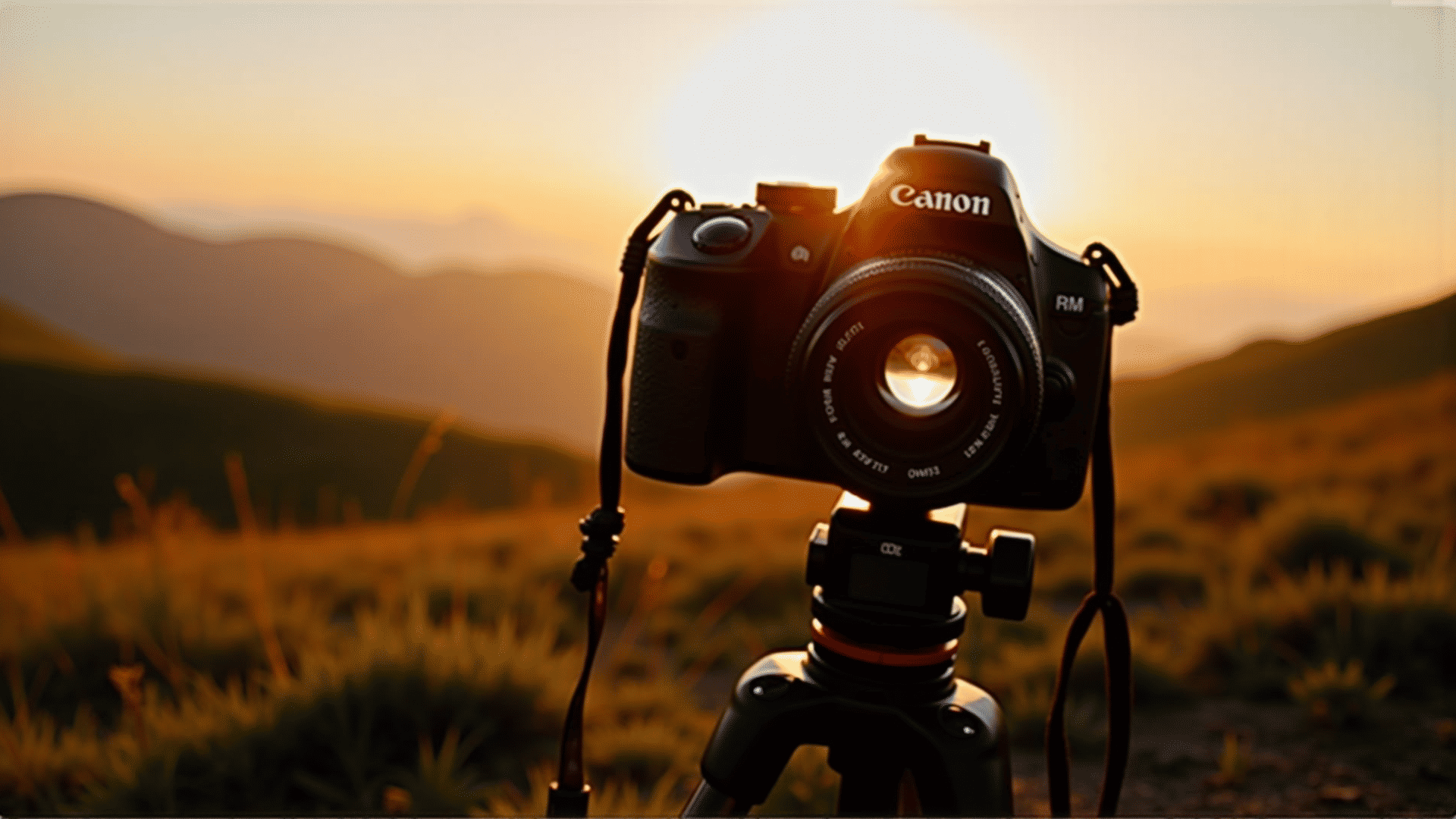
Exploring the art of photography can be a transformative experience, allowing photographers to express their creativity and view the world from unique perspectives. Mastering camera techniques is essential in refining one's skills and capturing memorable images. This article will delve into essential methods that can elevate your photographic practice.
Understanding Your Equipment
Before embarking on any photography endeavor, it's crucial to become thoroughly familiar with your camera and its functions. Start by exploring the manual settings, such as aperture, shutter speed, and ISO. Understanding how these elements work together allows for greater control over exposure and artistic expression.
-
Aperture: This controls the depth of field, influencing how much of your image is in focus. A lower f-stop creates a shallow depth of field, perfect for portraits, while a higher f-stop keeps more elements in focus, ideal for landscapes.
-
Shutter Speed: This affects motion blur. A fast shutter speed is perfect for freezing motion, great for action shots, while a slower shutter speed can create artistic effects like light trails.
-
ISO: Adjusts the sensitivity of your camera's sensor to light. A lower ISO is ideal in bright conditions, whereas a higher ISO is necessary in low-light situations but may introduce noise to the image.
Composition Techniques
Composition is the framework that organizes the elements within an image, making it visually appealing. Here are a few fundamental principles:
-
Rule of Thirds: Divide your frame into nine equal parts using two horizontal and two vertical lines. Positioning the subject along these lines or at their intersections can create more balanced and engaging compositions.
-
Leading Lines: Use natural lines within the environment to direct the viewer’s eye towards the main subject. Roads, bridges, or even shadows can effectively guide the viewer’s focus.
-
Framing: Utilize natural elements, such as trees or arches, to frame your subject. This can add depth and context to the image, drawing attention to the focal point.
Lighting Mastery
Lighting is one of the most crucial aspects of photography. Understanding how to manipulate and utilize light can dramatically enhance your images.
-
Golden Hour: Capture images during the hour after sunrise or before sunset when the light is soft and warm. This natural glow can add a magical touch to your photographs.
-
Backlighting: Position the light source behind your subject to create silhouettes or highlight translucent subjects, emphasizing their form and texture.
-
Artificial Lighting: Experiment with external flashes or continuous lights to supplement natural light, giving you greater flexibility in various conditions.
Post-Processing Proficiency
Post-processing is an important step in the photography workflow, allowing for the refinement and enhancement of images. Software like Adobe Lightroom or Capture One offers robust tools for adjusting exposure, color balance, and sharpness.
-
Color Correction: Adjust the white balance to ensure colors are true to life. Manipulating color tones can convey different moods or emphasize particular aspects of an image.
-
Cropping and Straightening: Fine-tune the composition by cropping unnecessary elements and ensuring the horizon line is level, enhancing the overall impact.
-
Sharpening and Noise Reduction: Enhance details and reduce noise, especially in higher ISO images, to create crisp, clear photographs.
Developing a Unique Style
While mastering technical aspects is essential, cultivating a personal style is what sets your work apart. Experiment with different genres and techniques, observing what resonates with you. Over time, your unique perspective will emerge, creating a signature style that defines your body of work.
In summary, advancing your photography skills involves a deep understanding of your camera, mastering various techniques, and continuous experimentation. As you practice and refine these methods, you'll not only capture exquisite images but also enjoy a rewarding and expressive journey in the world of photography.