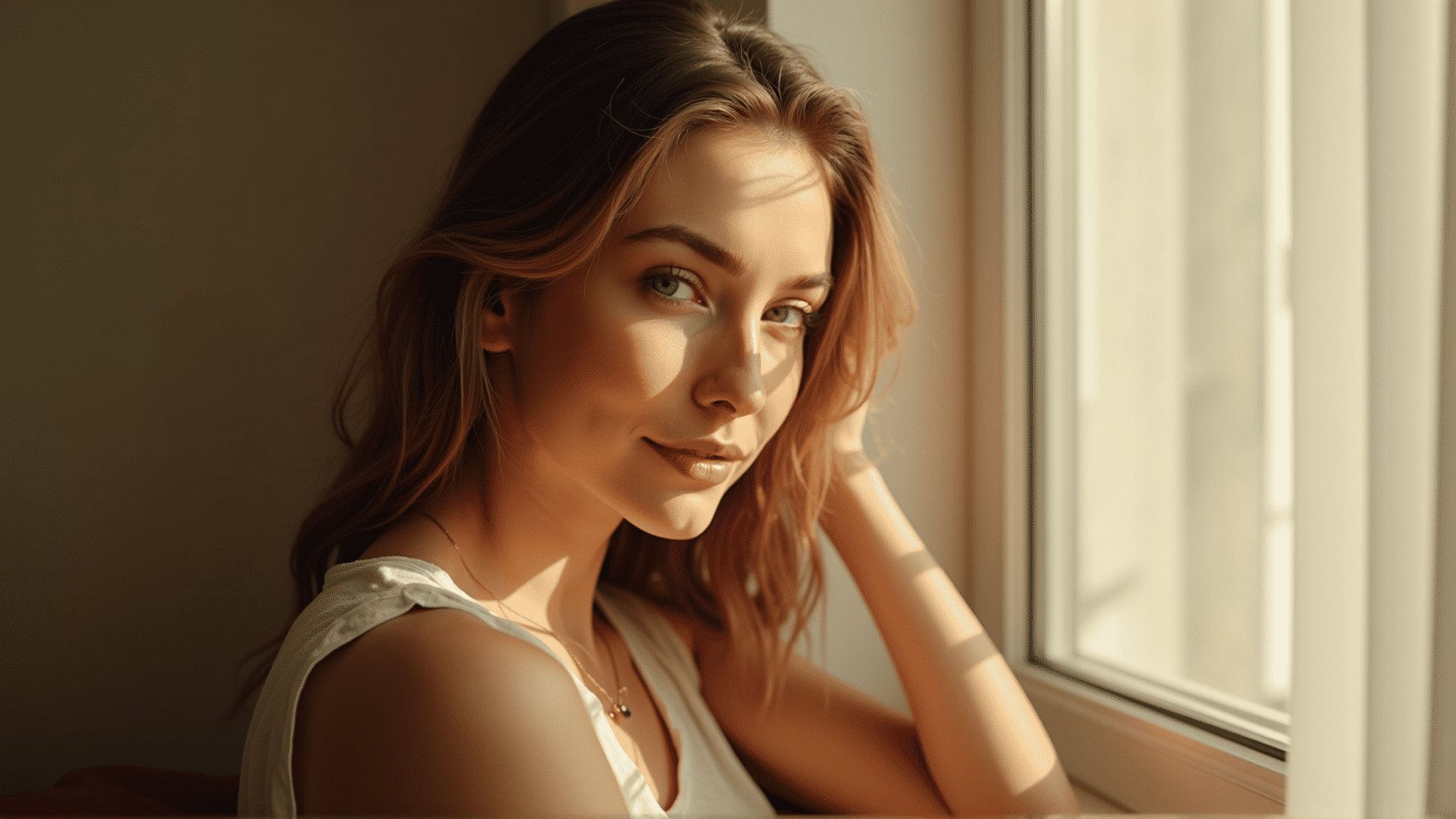
Lighting plays a pivotal role in photography, offering a powerful tool to shape the mood and overall impact of an image. Understanding and mastering lighting techniques can greatly enhance the artistic quality of your photos, transforming ordinary scenes into captivating visual narratives.
1. Natural versus Artificial Light:
Natural light, sourced from the sun, is dynamic and changes throughout the day. It provides a range of lighting conditions, from the warm, golden tones of sunset to the cool, blue hues of twilight. Learning to work with natural light involves adapting to its constant changes and leveraging its subtleties to suit your creative vision.
Artificial light, on the other hand, is controllable and can be precisely manipulated to achieve desired effects. Whether using studio lights, flash, or continuous lighting, this type of illumination offers the flexibility to sculpt the scene according to specific intentions.
2. The Direction and Quality of Light:
The direction from which light hits the subject can evoke different emotions and highlight distinct features. Front lighting reduces shadows and often results in clear, crisp images. Side lighting, by casting long shadows, adds depth and dimension, enhancing texture and form. Backlighting, illuminating the subject from behind, can create silhouettes and dramatic contrasts, adding intrigue to the scene.
Moreover, the quality of light—whether it’s hard or soft—affects the mood remarkably. Hard light, characterized by sharp edges and defined shadows, delivers a dramatic impact and emphasizes texture. In contrast, soft light, which is diffused and gentler, results in a more flattering and soothing appearance, ideal for a natural, ambient feel.
3. Playing with Shadows:
Shadows can be as expressive as light in photography. Strategic use of shadows can add layers of depth and mystery or direct the viewer’s attention to specific aspects of the composition. Experimenting with the interplay between light and shadow can uncover unexpected beauty and enrich the narrative of your photo.
4. Color Temperature and White Balance:
Understanding color temperature and effectively using white balance settings help maintain color accuracy and harmony. Each light source has its own color temperature, impacting the colors in your photos. Adjusting the white balance ensures that whites appear true white, preventing unwanted color casts and ensuring colors appear natural and pleasing.
5. Creative and Experimental Techniques:
Creativity knows no bounds when it comes to lighting. Techniques like light painting, where you use a moving light source to ‘paint’ in the scene over a long exposure, open avenues for creative experimentation. Using filters, gels, or reflective surfaces can further manipulate light to produce astonishing effects that push artistic boundaries.
In conclusion, lighting holds the potential to transform photography from mere documentation to a compelling form of art. By mastering the use of natural and artificial light, understanding its direction, quality, and color, and experimenting with innovative techniques, photographers can elevate their work, creating images that resonate with emotion and visual allure.