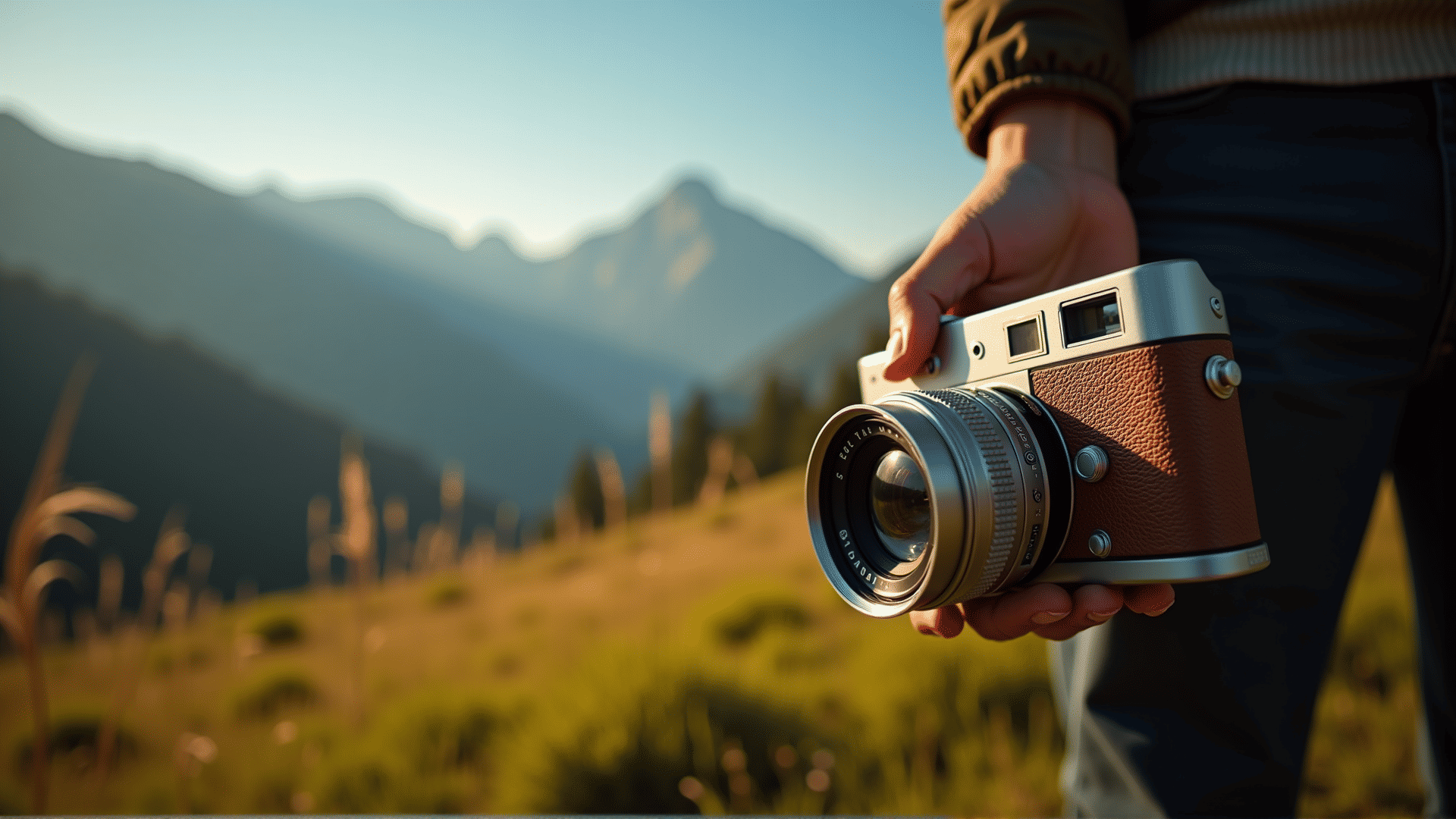
Capturing an image is more than just pointing a camera and clicking the shutter. To transform a basic photograph into a visually engaging piece of art, one must master the various aspects of camera techniques. By exploring these techniques, photographers can enhance their skills and produce images that captivate viewers.
Understanding Exposure
Exposure is the foundation of photography and is the key to achieving the perfect balance of light in an image. It involves three primary components: aperture, shutter speed, and ISO. Each of these elements plays a critical role in controlling the amount of light that reaches the camera sensor.
-
Aperture: This refers to the size of the lens opening through which light enters. A wider aperture allows more light to hit the sensor, useful in low-light conditions, while a narrower aperture lets in less light and can create a greater depth of field.
-
Shutter Speed: This is the duration the camera's shutter is open to expose the sensor to light. Faster shutter speeds freeze motion, ideal for fast-moving subjects, while slower speeds can introduce motion blur, great for artistic effects or low-light scenarios.
-
ISO: This determines the camera sensor's sensitivity to light. Lower ISO values produce cleaner images with less noise, while higher ISO settings can be beneficial when shooting in darker conditions.
Balancing these three factors allows photographers to master exposure and create well-lit images in diverse lighting situations.
Mastering Composition
Composition is all about arranging elements within the frame to create a compelling image. It is as much about what is left out of the frame as what is included.
-
Rule of Thirds: Divide the frame into a 3x3 grid. Placing key elements along these lines or at their intersections often results in more harmonious compositions.
-
Leading Lines: Use natural lines within the scene to guide the viewer’s eye towards the main subject. These lines can be anything from roads to natural elements like rivers or ridges.
-
Framing: Utilize elements within the scene to create a 'frame' around your subject. This technique draws attention to the main focus and can add depth to the image.
The Importance of Focus
Sharp focus is crucial for emphasizing the subject. Different focusing techniques can dramatically impact the feel of an image.
-
Auto Focus Modes: Most cameras offer different modes such as single-point, continuous, or dynamic focus. Choose the mode that best suits the movement and complexity of your subject.
-
Manual Focus: For total control, especially in macro photography or low-light conditions, manual focus can be invaluable. It requires precision but can yield impressive results.
Leveraging White Balance
White balance controls the color temperature of your images. Understanding how to adjust this setting can drastically change the mood of your photos. Altering white balance can enhance warm tones during a sunset or emphasize the crisp blues of morning light.
Experimenting with Angles and Perspectives
Changing the angle or perspective from which you shoot can add interest and allure. Don’t be afraid to explore unconventional elevations or viewpoints – lie on the ground, climb higher, or shoot through objects to provide a fresh perspective.
Conclusion
Mastering these camera techniques requires practice and patience. By understanding the intricacies of exposure, mastering composition, focusing correctly, adjusting white balance, and experimenting with perspectives, photographers can significantly enhance the quality of their images. With dedication and creativity, anyone can elevate their photography skills, transforming the ordinary into extraordinary.