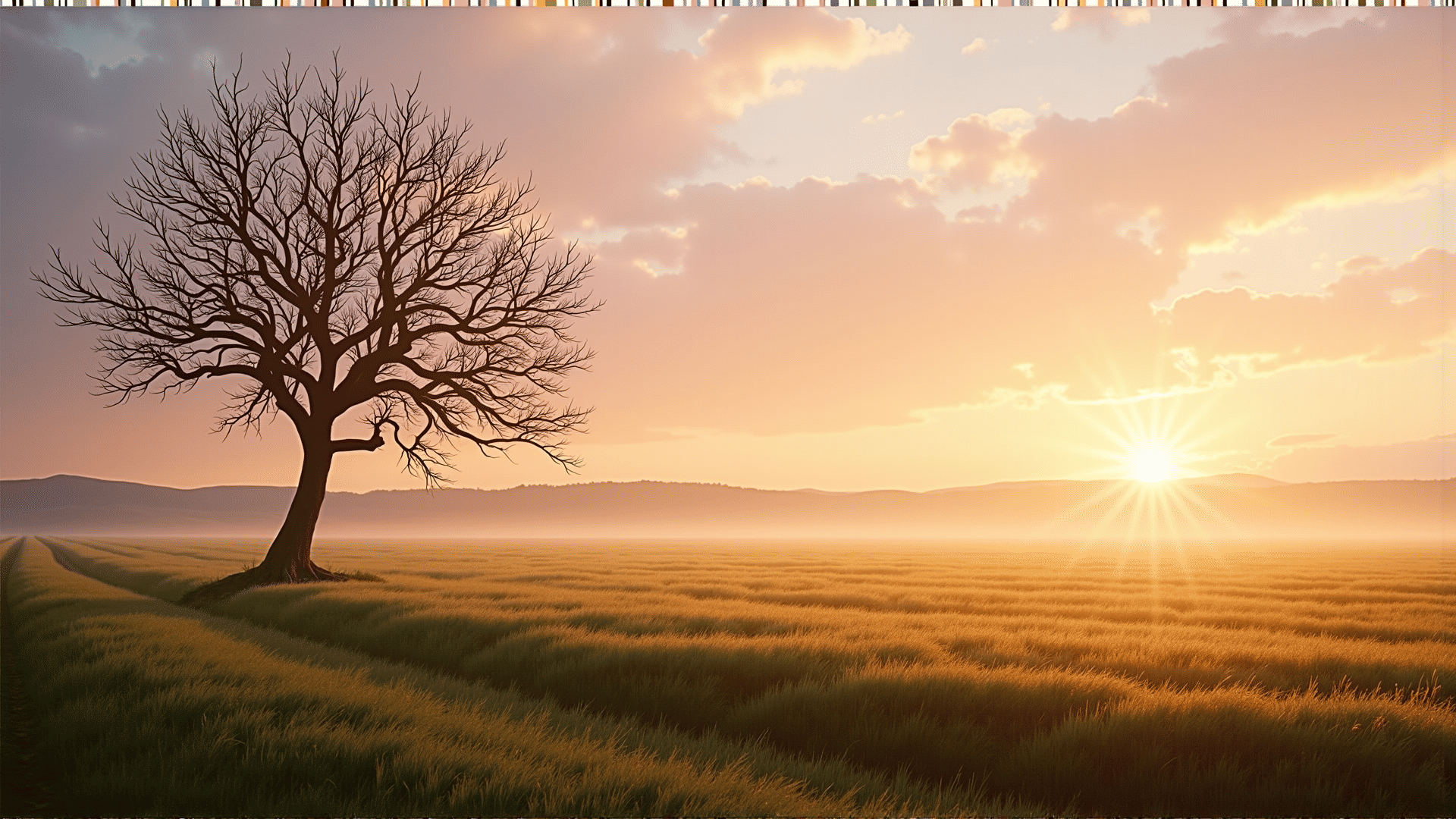
In the world of capturing images, composition plays a crucial role in telling a genuinely captivating story. The arrangement of elements within a frame can dramatically alter the impact of the image, allowing it to communicate complex narratives and evoke emotions. Mastering these techniques can elevate your ability to portray scenes through a lens, highlighting intent and perspective.
One fundamental method is the Rule of Thirds. This technique involves dividing the frame into a grid of nine equal parts, and then placing the subject along these lines or at their intersections. This approach brings balance and interest to the image, steering the viewer's gaze naturally across the composition. While classic, the Rule of Thirds is versatile, lending itself to landscapes, portraits, and beyond.
Leading lines are another powerful compositional tool. These lines guide the viewer’s eyes through the photo, often directing them to the main subject or creating a sense of depth and movement. They can be found in roads, rivers, or architectural features, subtly or prominently infusing a dynamic element into the imagery.
Symmetry and patterns add a sense of harmony and order, offering an aesthetic appeal that is pleasing to the eye. Whether capturing the reflective surface of a body of water or the intricate design of a building, symmetry can evoke a sense of tranquility and perfection.
Contrast in composition offers an opportunity to highlight diversity within the frame. This could be through color, light, or size contrasts, which can emphasize differences and draw attention to specific aspects of the photograph. It creates a focal point that stands out, often conveying a more profound narrative.
Framing is a technique that involves using elements within the scene to create a 'frame' around the subject. This can be achieved through natural elements like tree branches or man-made structures such as windows and doorways. Framing not only focuses attention on the main subject but also adds a layer of depth by creating perspective.
Negative space refers to the use of empty areas in a composition, often highlighting the subject by providing visual breathing room. This technique emphasizes simplicity and can deliver a powerful message by isolating the subject, often evoking a more profound emotional response.
Experimenting with different perspectives can completely transform a photograph. Shooting from unusual viewpoints, such as extremely low or high angles, can add a unique twist and a fresh look to otherwise ordinary scenes. It challenges viewers to see the world from a different angle, enhancing their engagement with the image.
In conclusion, the art of composition is about choosing what to reveal to the viewer and how to direct their emotional journey through an image. By employing these techniques thoughtfully, you can transform photographs into expressive storytelling mediums, capturing scenes not just as they are, but as they are felt and experienced.